Image by Author
# Introduction
When you start letting AI agents write and run code, the first critical question is: where can that code execute safely?
Running LLM‑generated code directly on your application servers is risky. It can leak secrets, consume too many resources, or even break important systems, whether by accident or…
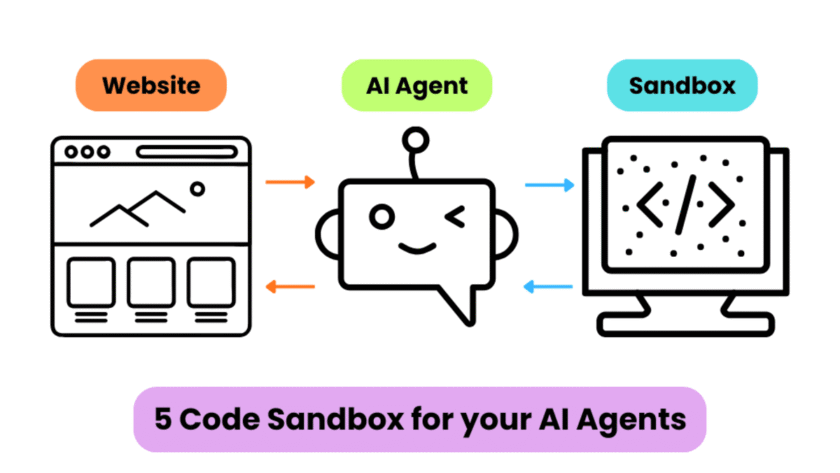
Image by Editor
# Introduction
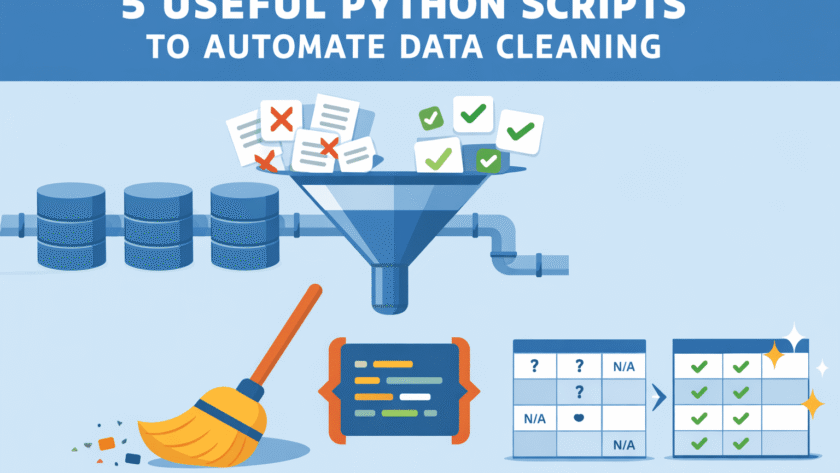
As a data professional, you know that machine learning models, analytics dashboards, business reports all depend on data that is accurate, consistent, and properly formatted. But here's the uncomfortable truth: data cleaning consumes a huge portion of project time. Data scientists and analysts spend a great deal of…
Image by Author
# Introduction
As a data scientist, you're probably already familiar with libraries like NumPy, pandas, scikit-learn, and Matplotlib. But the Python ecosystem is vast, and there are plenty of lesser-known libraries that can help you make your data science tasks easier.
In this article, we'll explore ten such libraries organized…
Image by Editor
# Introduction
Whether you accept it or not, agentic AI browsers are here to stay. They don’t just automate your web workflow; they help you with research, writing, understanding content, and much more.
An agentic browser uses autonomous AI agents that can navigate websites, fill forms, execute multi-step tasks, and…
Image by Author
# Introduction
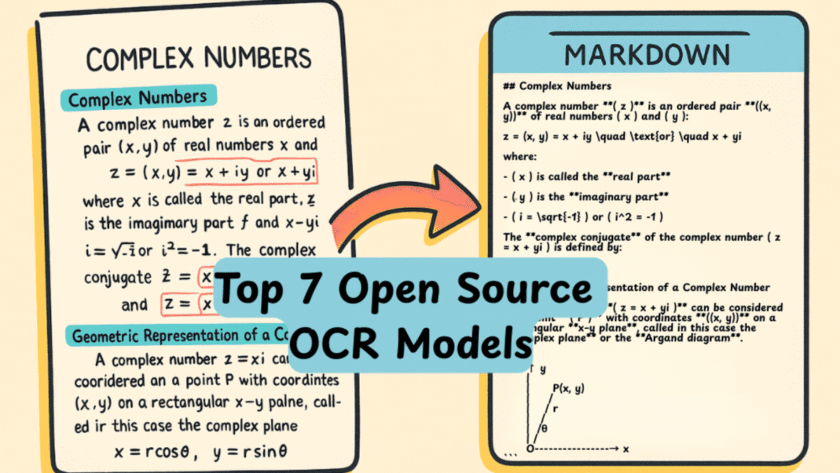
OCR (Optical Character Recognition) models are gaining new recognition every day. I am seeing new open-source models pop up on Hugging Face that have crushed previous benchmarks, offering better, smarter, and smaller solutions.
Gone are the days when uploading a PDF meant getting plain text with lots…
Image by Author
# Introduction
We all have those tasks that eat up our time without adding real value. These include sorting downloaded files, renaming photos, backing up folders, clearing out clutter, and performing the same little maintenance tasks over and over again. None of these are particularly difficult, but they are repetitive,…
Image by Author
# Introduction
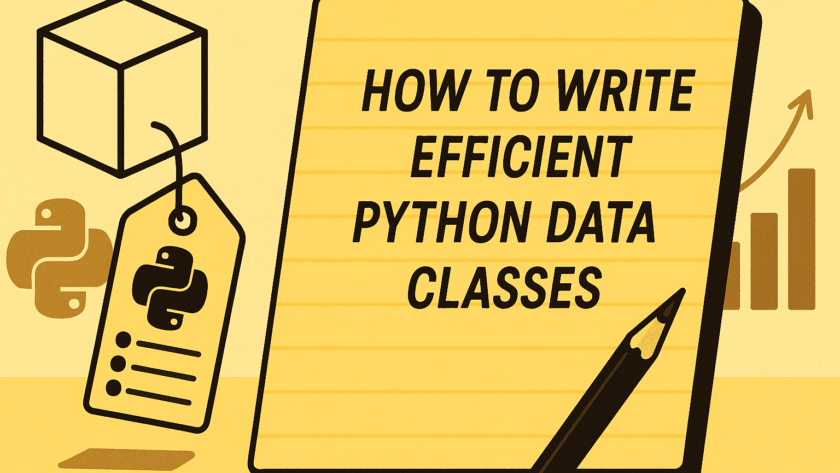
Standard Python objects store attributes in instance dictionaries. They are not hashable unless you implement hashing manually, and they compare all attributes by default. This default behavior is sensible but not optimized for applications that create many instances or need objects as cache keys.
Data classes address these…
Sponsored Content
Language models continue to grow larger and more capable, yet many teams face the same pressure when trying to use them in real products: performance is rising, but so is the cost of serving the models. High quality reasoning often requires a 70B to 400B parameter model. High scale production…
Image by Editor (click to enlarge)
# Introduction
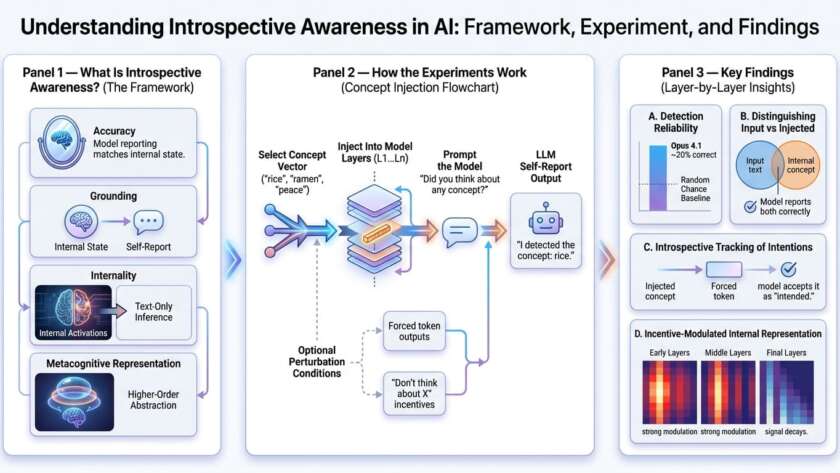
Large language models (LLMs) are capable of many things. They are capable of generating text that looks coherent. They are capable of answering human questions in human language. And they are also capable of analyzing and organizing text from other sources, among many other skills.…
Sponsored Content
As businesses and researchers rely ever more on web data, large-scale scraping has become a mission-critical activity in 2026. The success of such projects hinges on choosing the right proxy provider—one with global coverage, high reliability, powerful anti-bot capabilities, and strong compliance. In this article, we compare industry leaders:…