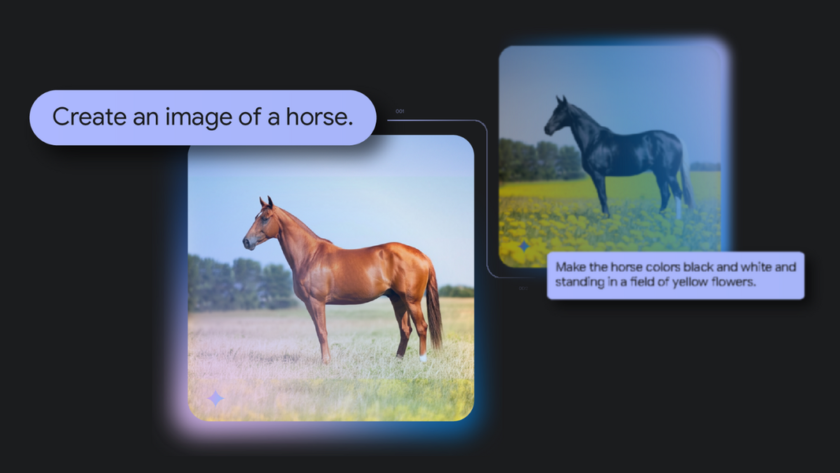
In December we first introduced native image output in Gemini 2.0 Flash to trusted testers. Today, we're making it available for developer experimentation across all regions currently supported by Google…
Designing imitation learning (IL) policies involves many choices, such as selecting features, architecture, and policy representation. The field is advancing quickly, introducing many new techniques and increasing complexity, making it…
0.
Least Squares is used almost everywhere when it comes to numerical optimization and regression tasks in machine learning. It aims at minimizing the Mean Squared Error (MSE) of…
Smart technology is no longer a luxury for businesses but a critical driver of efficiency, growth, and innovation. As technology advances, companies are continually seeking ways to stay ahead in…
With the rapid advancements in Large Language Models (LLMs) and Vision-Language Models (VLMs), many believe OCR has become obsolete. If LLMs can "see" and "read" documents, why not use them…
Converting complex documents into structured data has long posed significant challenges in the field of computer science. Traditional approaches, involving ensemble systems or very large foundational models, often encounter substantial…
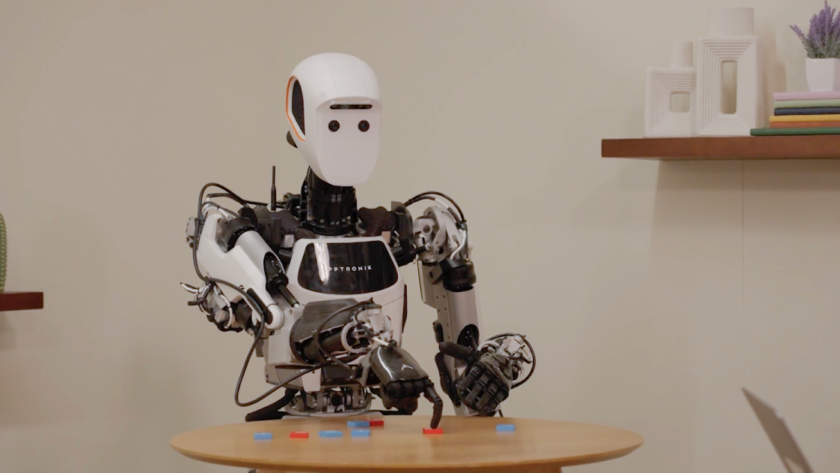
Google DeepMind has shattered conventional boundaries in robotics AI with the unveiling of Gemini Robotics, a suite of models built upon the formidable foundation of Gemini 2.0. This isn’t just…
In 1905, Albert Einstein published a paper on the photoelectric effect — a deceptively simple observation that light could eject electrons from metals. This work, which later won him the…